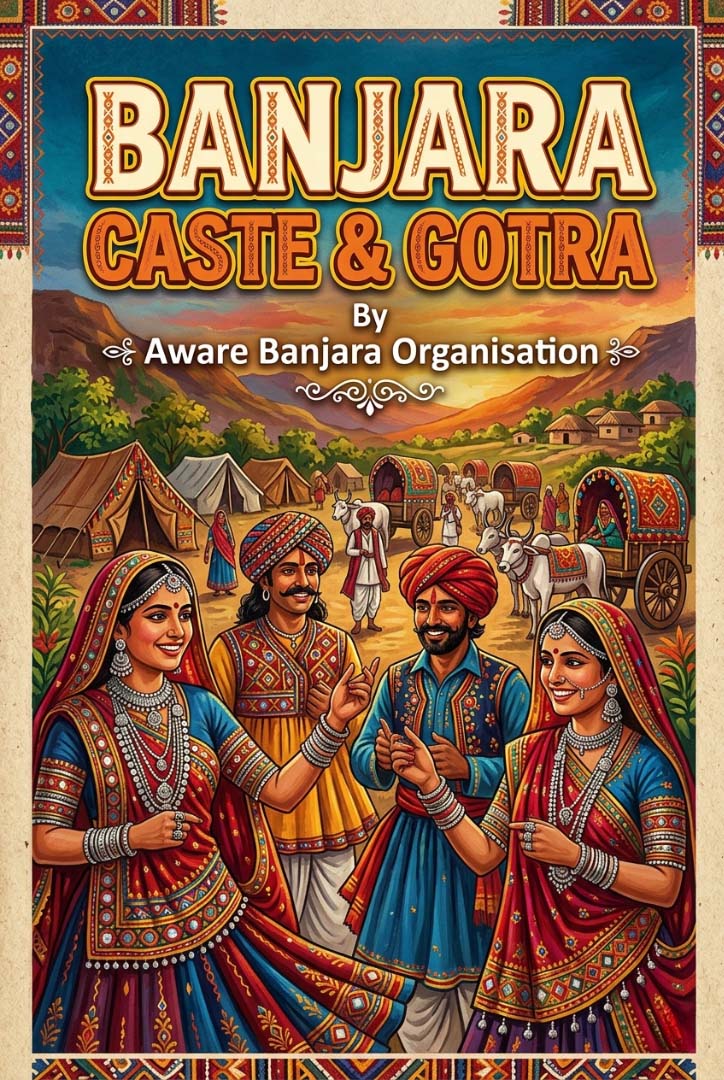
Banjara Caste & Gotra
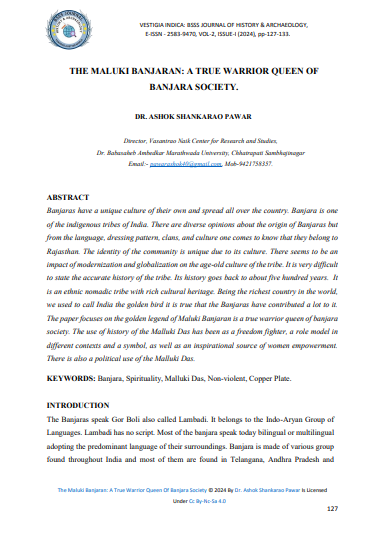
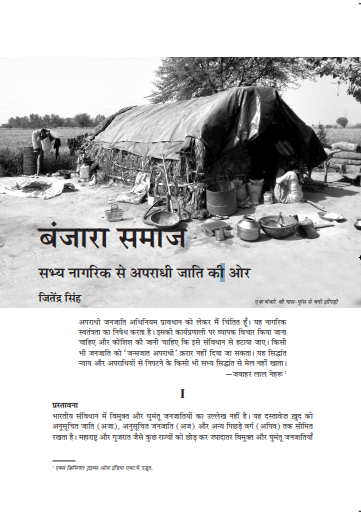
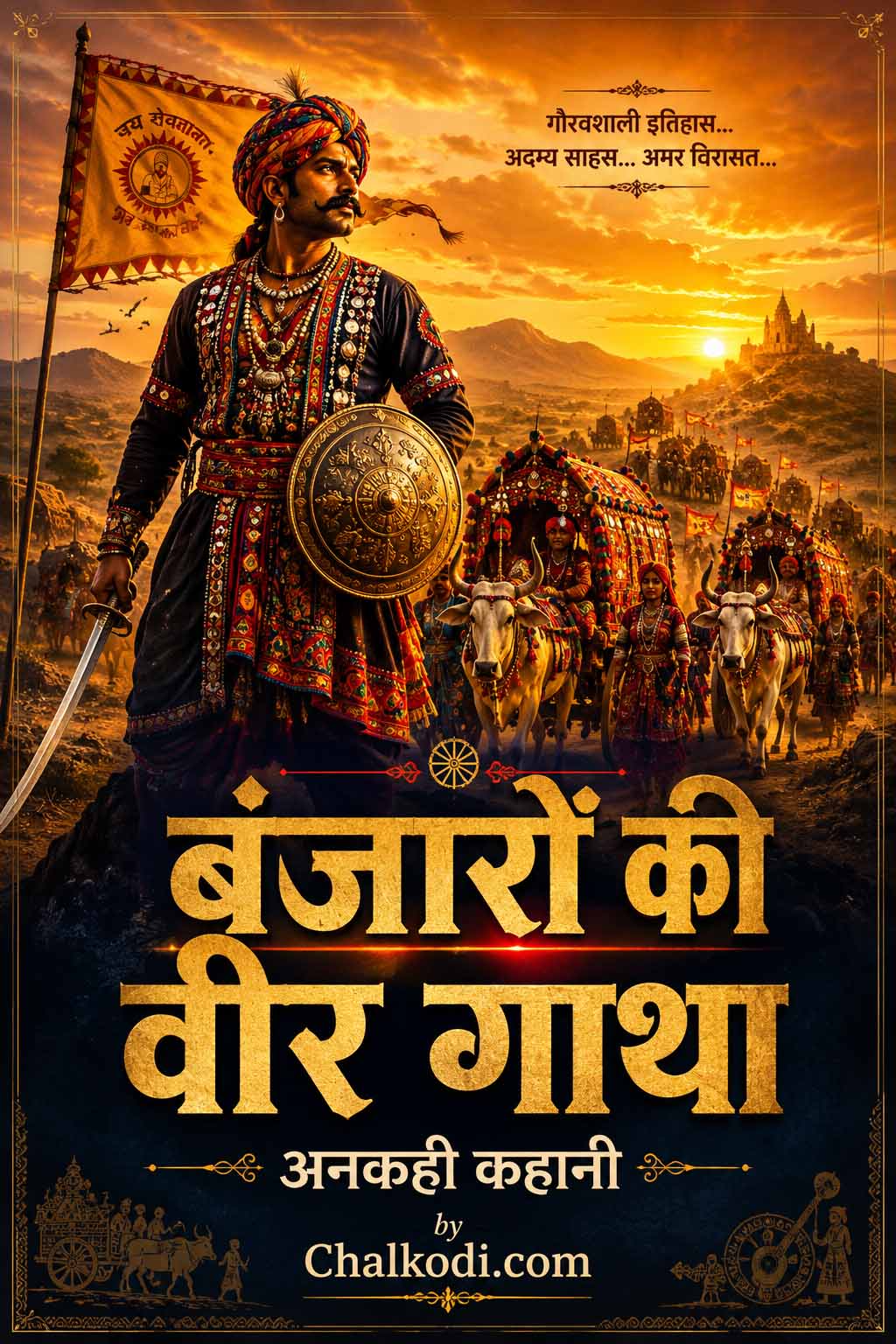
The Banjara (also known as Gor or Lambadi) are a historically nomadic community with a rich cultural heritage spread across various regions of India. Traditionally known as the vital "moving merchants" of the Indian subcontinent, they were experts in the large-scale transport of goods—such as salt and grain—using vast caravans of pack bullocks.
1. Cultural Identity
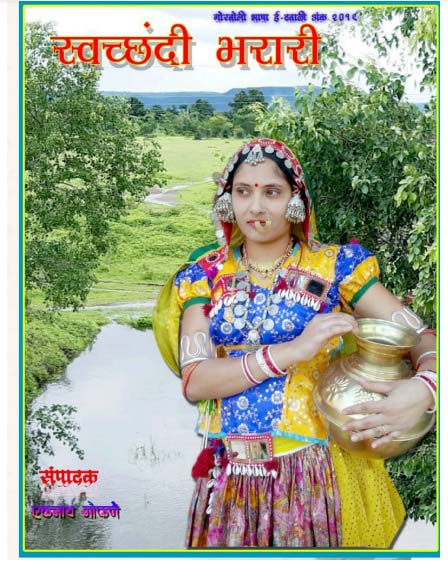
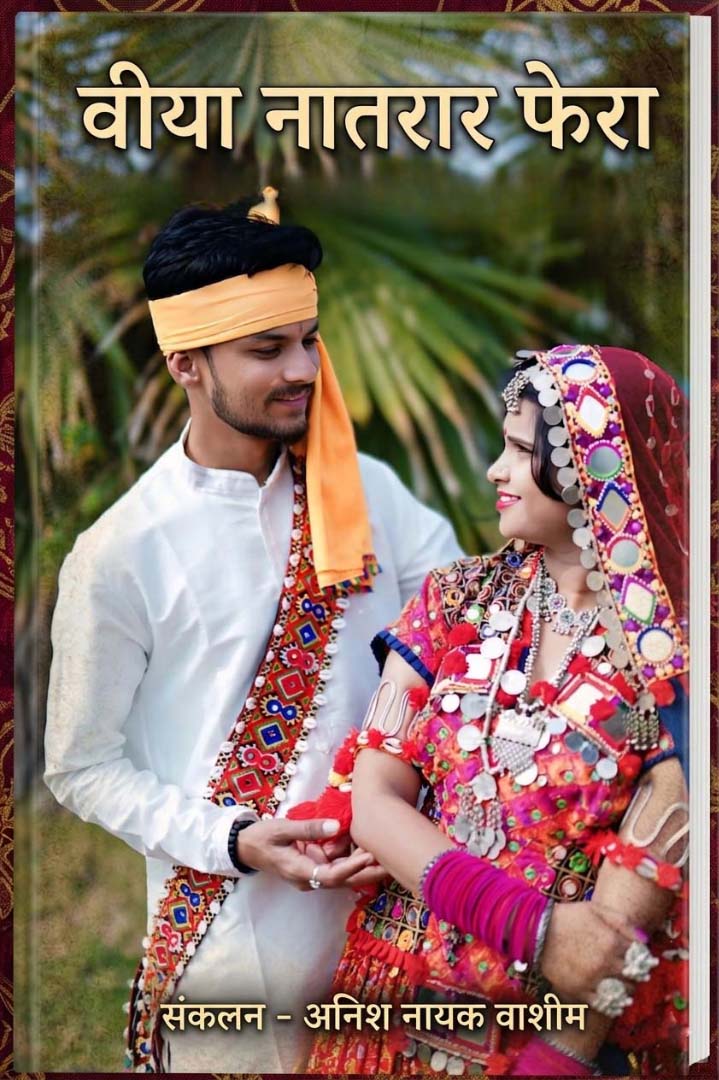
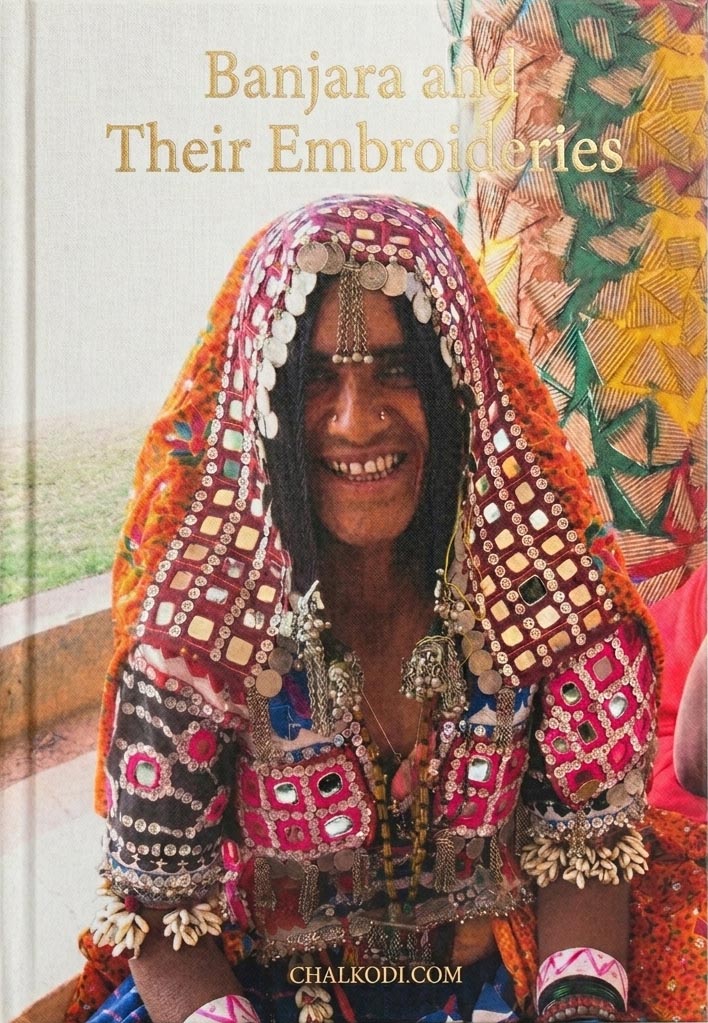
The community is distinct for its vibrant traditional attire, intricate embroidery (Lep), and the Gormati language. Their history is deeply rooted in a sense of freedom and resilience, with a strong emphasis on oral traditions, folk songs, and community celebrations.
2. Social Structure & Gotras
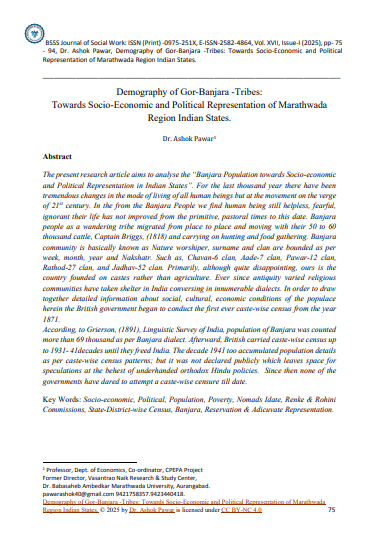
The Banjara social structure is organized into a patriarchal system with distinct clans or Gotras. This system plays a crucial role in social organization, marriage alliances, and the preservation of lineage.
The community is primarily divided into several major clans, each containing numerous sub-clans:
| Major Clan (Gotra) | Characteristics & Sub-Clans |
| Rathod (Bhukya) | One of the largest clans, consisting of 27 sub-clans including Dharpaliya, Ghorawat, and others. |
| Pawar | Comprises 12 sub-clans such as Aithavat, Jharpla, and Chauhan. |
| Chauhan | Consists of 6 sub-clans, often linked to historical warrior lineages. |
| Jadav | Comprises 52 sub-clans, representing a significant branch of the community structure. |
| Ade | A distinct clan with its own specific lineage and social traditions. |
3. Spiritual & Social Values
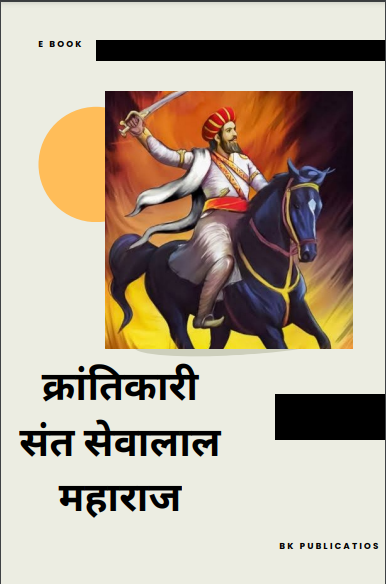
The community places immense value on the teachings of spiritual leaders and social reformers who have advocated for education, ethical living, and communal unity. Their governance often involves a Naik (headman), who traditionally mediates disputes and leads the local Tanda (settlement).
Today, the Banjara community continues to transition into settled agriculture and professional fields while making significant efforts to archive their linguistic and historical legacy for future generations.